
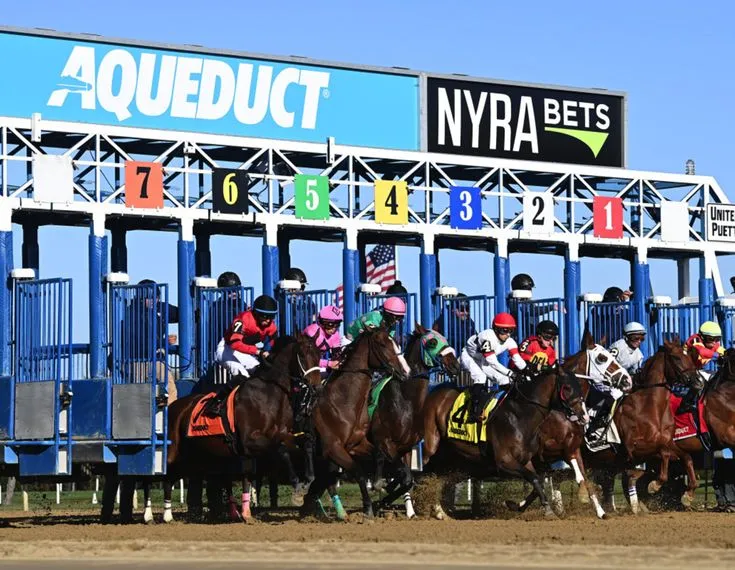
A horse-racing page can contain more information than a newcomer expects. Race number, distance, surface, class, draw, weight, jockey, trainer, recent form, and changing odds may all appear in a compact race card. Learning how these details fit together is more useful than trying to select a runner from its name or the shortest price.
People comparing the Best Online Horse Racing Sites Malaysia should prioritize readable race cards and clear wager definitions. The platform should explain the market type, scheduled start time, and settlement method before the bettor confirms a ticket.
Begin with the Race Conditions
Distance and surface influence which horses may be suited to the event. A runner with strong results over short sprints may not perform the same way over a longer trip. Turf, dirt, or synthetic surfaces can also produce different patterns. The class or grade indicates the general level of competition.
Track condition matters as well. Rain can change turf from firm to yielding or soft, and some horses have stronger records under particular conditions. These factors provide context but never certainty.
Understand the Race Card
The draw shows the starting position, while assigned weight indicates what the horse carries under the race conditions. Jockey and trainer information may help bettors understand experience and recent performance. Form figures summarise previous finishing positions, although the exact notation varies by region.
A useful race card lets the bettor open more detail rather than crowding every statistic into one line. New users should learn the abbreviations gradually and avoid making a decision based on a single number.
Know What the Wager Means
A win bet requires the selected horse to finish first. Place terms vary by field size, market, and jurisdiction, so the number of paid positions must be confirmed. Forecast, quinella, exacta, or trifecta markets involve predicting combinations and can be more complex.
A platform such as 3WE should make the selected market visible on the bet slip. The ticket needs to show whether the wager is fixed odds, starting price, or pool based, because the final return may be calculated differently.
Fixed Odds and Pools Are Different
Fixed odds generally lock the quoted price when the bet is accepted, subject to the operator’s terms. Pool betting combines stakes and divides the available pool among winning tickets after deductions. The displayed estimate may change until betting closes.
Late price movement is common and does not prove that a result is known in advance. It simply reflects market activity and information. Bettors should decide whether the available price fits their plan rather than chasing every change.
Watch for Withdrawals and Delays
A horse may be withdrawn before the start. Rules should explain whether the stake is returned and whether deductions apply to remaining fixed-odds bets. Delayed or abandoned races also require clear settlement terms. Reading these rules in advance prevents confusion after the scheduled time.
Read Form in Context
Recent finishing positions are useful only when the surrounding conditions are considered. A horse may have finished poorly in a stronger race, over an unsuitable distance, or after a difficult start. Another runner may have won against weaker opposition. Looking at class, distance, surface, and field size alongside the result creates a fuller picture.
The draw can also matter differently depending on the track layout and number of runners. It should not be treated as an automatic advantage or disadvantage. New bettors can learn more by comparing the published race comments with the bare form figures, while remembering that every interpretation remains uncertain. They can also watch how a runner behaves before the start, but visible calmness or agitation should be treated as one observation rather than decisive evidence. Race analysis remains a combination of incomplete information and personal judgment.
Conclusion
Horse-racing odds become easier to read when they are placed in the context of the race conditions, card information, and wager type. New bettors should first identify the distance, surface, class and field, then confirm exactly what the selected market requires. Fixed odds, starting prices and pool bets should not be treated as the same product. Withdrawal and delay rules also deserve attention before the ticket is placed. No statistic removes uncertainty, so the aim is understanding rather than prediction with confidence. By studying one race at a time, using modest planned stakes, and avoiding rushed selections, newcomers can develop a more organized and informed approach to racing markets.
